


You likely need a fire-rated door anywhere the building code requires a fire separation, such as stairwells, exit corridors, mechanical rooms, and walls between units or occupancies.

Commercial garage door installation cost varies widely because it depends on the door size, the material and insulation, the operator you choose, and how complex the opening is.
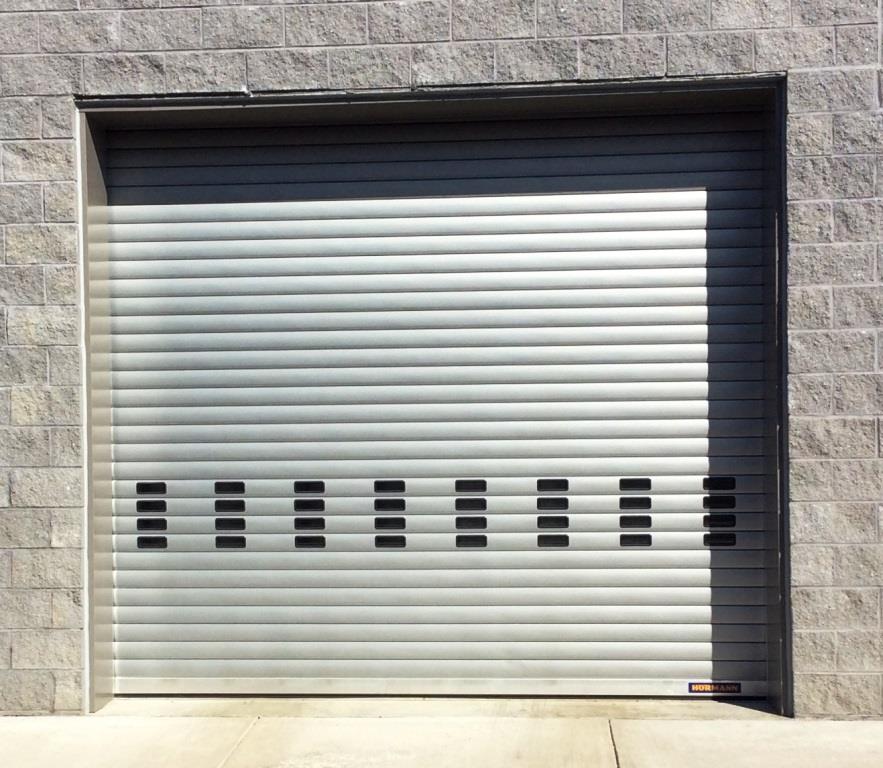
Rolling steel doors are the better choice when you have limited headroom, need strong security, or run an opening that cycles dozens of times a day. Sectional overhead doors come out ahead when insulation, temperature control, and a lower upfront price matter more to you. The decision really comes down to three things: how much ceiling space you have, how often the door opens, and what you keep inside.
How the Two Doors Actually Work
The two doors solve the same problem in completely different ways. Rolling steel doors are built from narrow interlocking steel slats that wind into a compact coil above the opening. Since they roll straight up instead of folding back across the ceiling, they take up almost no overhead room and keep your interior clear for lighting, ductwork, or racking. If you want to see the slat profiles and gauges available, take a look at our industrial rolling steel doors and the options built for heavy daily use.
Sectional overhead doors work the opposite way. They use large horizontal panels joined by hinges, and the door travels up and then back along tracks mounted to the ceiling. That design needs clear headroom to function, but it also lets the panels carry thick insulation, windows, and even a built-in pedestrian door.
When Rolling Steel Doors Make Sense
Reach for rolling steel when your building has little clearance above the opening, when security is a top concern, or when the door gets used constantly. The interlocking curtain and structural steel guides stand up to impact and forced entry far better than panels do, and the simple mechanism means fewer parts wear out. Warehouses, manufacturing plants, storage facilities, and any high-cycle bay tend to do well with this style.
When Sectional Overhead Doors Make Sense
Sectional doors are the practical pick when you heat or cool the space behind the door. Insulated panels hold temperature, which lowers energy costs through a Quebec winter and keeps cold-chain areas stable. They also cost less to buy and install, and when something fails you can often swap a single panel instead of the whole assembly. Loading bays, retail backrooms, and service garages with decent ceiling height are common homes for them.
The Trade-Offs at a Glance
- Headroom needed: Rolling steel needs very little; sectional needs clear ceiling space.
- Upfront cost: Sectional is usually cheaper to buy and install; rolling steel costs more.
- Insulation: Sectional panels insulate well; rolling steel is weaker on temperature control.
- Security and impact: Rolling steel is the stronger barrier; sectional is more vulnerable to dents.
- Repairs: Sectional panels can be fixed individually; rolling steel has fewer parts to fail.
- Lifespan in high-cycle use: Rolling steel typically lasts longer; sectional wears faster under constant cycling.
Getting the Right Door for Your Building
There is no single winner here, only the door that fits how your space actually runs. Measure your headroom first, then count how many times the door opens on a busy day, then decide whether insulation is a real factor. If you are still weighing it, look at the range of commercial and industrial projects we have completed to see how similar buildings made the call. A quick site visit usually settles the question faster than any spec sheet.
FAQ
Which is cheaper, rolling steel or sectional doors? Sectional doors generally have a lower purchase and installation price. Rolling steel costs more upfront but can be the better long-term value in high-traffic openings.
Do rolling steel doors need less headroom than sectional doors? Yes. Rolling steel coils into a small barrel above the opening, so it needs far less clearance than a sectional door that tracks back along the ceiling.
Are sectional doors better for cold weather? For heated or temperature-controlled spaces, usually yes, because insulated panels hold heat better than a steel curtain.
How long do rolling steel doors last? With routine service they often last the life of the building, especially in heavy-use settings where simpler mechanisms hold up well.
Can you insulate a rolling steel door? Some models offer insulated slats, though they still do not match the thermal performance of a well-built insulated sectional door.
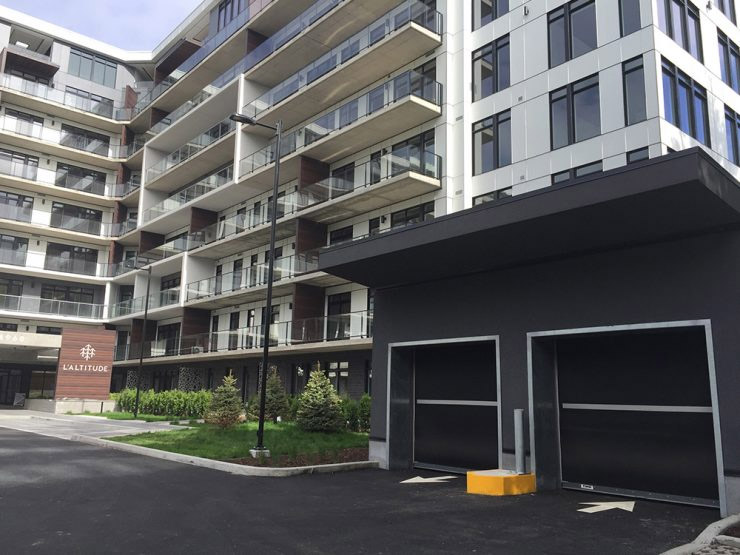
A commercial garage door that opens slowly or stops halfway usually points to one of a few things: a worn or straining operator, spring tension that has slipped, an obstruction or damage in the tracks, or a sensor and safety fault telling the door to stop. Some of these are quick checks you can do yourself, while others involve high-tension parts that need a technician. Knowing which is which saves you a dangerous fix and a stalled shift.
Start With the Simple Checks
Before assuming the worst, rule out the easy stuff. Look along the tracks for a stone, a piece of packaging, or built-up debris that could be blocking travel. Check that nothing is leaning against the door and that the photo-eye sensors near the floor are clean and lined up, since a bumped sensor will stop a door partway. These take a few minutes and solve a surprising share of halfway-stop problems without any tools.
A Straining or Worn Operator
If the door moves but crawls, the operator is a likely suspect. A motor that is undersized for how often the door cycles wears down over time and loses the strength to move the door at full speed. Older operators also slow as their internal parts wear. On a busy dock this shows up as a door that used to snap open and now labors. If your opening cycles constantly, it may be worth looking at whether a faster system like a high-speed door fits your traffic better than an aging standard operator trying to keep up.
Spring Tension Problems
The springs do most of the lifting, and the operator only guides the door. When a spring loses tension or breaks, the operator suddenly has to haul the full weight of the door on its own, which makes it slow, strain, or stop partway. This is the one to be careful with. Garage door springs hold enormous tension, and adjusting or replacing them without the right tools and training causes serious injuries every year. This is a technician job, not a weekend project.
Track and Roller Damage
A door that binds or sticks at the same spot every time often has a track issue. Bent track, a loose bracket, or worn rollers create a snag point where the door slows or halts. A forklift bump is a common cause on industrial openings. Minor debris you can clear yourself, but bent track and failing rollers need proper repair, since forcing a door through a bad spot only worsens the damage and can throw it off track entirely.
Sensor and Safety Faults
Commercial doors are built to stop the moment something seems wrong, which is a safety feature working as intended. Misaligned photo-eyes, a faulty limit switch, or a control board glitch can all cut a door's travel short. If the door reverses or stops with nothing in the way, the system likely thinks there is an obstruction. Realigning a sensor is simple, but a limit switch or control fault usually calls for a service visit.
The Trade-Offs at a Glance
- Obstruction or debris: Safe to check and clear yourself.
- Dirty or bumped sensors: Simple to clean and realign.
- Worn operator: Needs a technician, may signal an upgrade.
- Spring problems: High tension, never a DIY fix.
- Bent track or rollers: Needs proper repair to avoid a full off-track failure.
- Control or limit faults: Usually a service call.
When to Call a Technician
The rule of thumb is simple. Clearing debris, cleaning sensors, and checking for obvious obstructions are fair game. Anything involving springs, the operator's internals, bent track, or the control system belongs to a trained tech, both for your safety and to avoid turning a small issue into a big one. If the door is still slow or stalling after the easy checks, our commercial door repair service can diagnose it and get the opening running before it stops a whole shift.
FAQ
Why does my commercial garage door open slowly? Usually a straining or worn operator, or springs that have lost tension so the motor has to do more work. Both slow the door down.
Why does my garage door stop halfway? Often an obstruction in the tracks, a misaligned safety sensor, or a limit switch fault telling the door to stop. Check the tracks and sensors first.
Can I fix a slow garage door myself? You can safely clear debris and clean sensors. Springs, the operator, and track repairs should be left to a technician because of the risk involved.
How do I know if my garage door spring is broken? The door suddenly feels very heavy, the operator strains or stalls, and you may see a visible gap in the spring coil. Do not try to adjust it yourself.
Why does my garage door reverse before it opens all the way? The safety system likely senses an obstruction, often from a dirty or misaligned photo-eye sensor or a control fault. Cleaning and realigning the sensors is the first step.
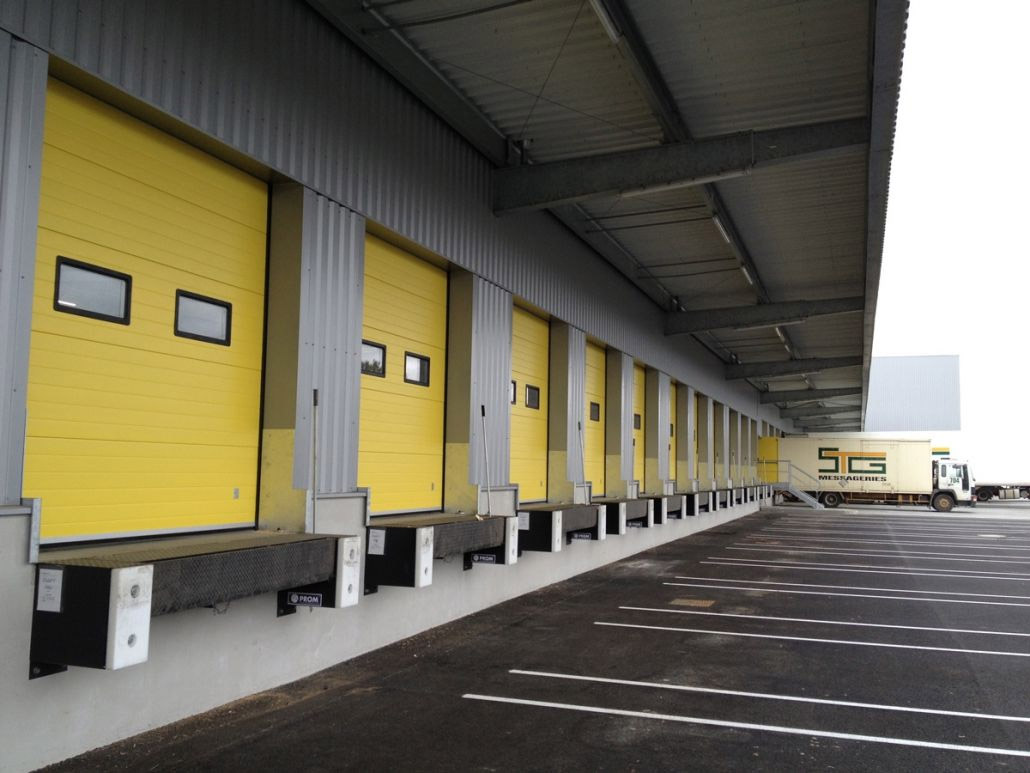
Most commercial and industrial doors should get a professional service at least once or twice a year, with quick visual checks done monthly by your own staff. High-cycle doors and busy loading dock equipment need attention more often, sometimes quarterly, because they wear faster. The right interval comes down to how hard the door works, so a door that cycles all day gets seen more than one that opens twice a shift.
Why a Schedule Beats Waiting for a Breakdown
The cheapest repair is the one you never need. A door that fails mid-shift blocks a bay, halts loading, and forces an emergency call at the worst possible time. Catching a worn roller or a fraying cable during a scheduled check costs a fraction of that and keeps the opening running. Facility managers who plan maintenance on a calendar spend less over the year than those who react to failures, and they lose far less production time. Prevention is not an expense, it is what keeps the expensive surprises from happening.
Monthly Checks Your Team Can Do
Some things are worth a quick look every month, and your own staff can handle them. Walk each door and watch it cycle. Listen for grinding or new noises, look for frayed cables, check that the tracks are clear of debris, and make sure the photo-eye sensors are clean and lined up. On dock equipment, glance at the leveler and the seals for obvious wear or damage. None of this needs tools, and it flags small problems before they grow into a service call.
Quarterly Attention for High-Traffic Doors
Doors and dock gear that work hard need more than a yearly visit. A high-cycle opening or a busy loading dock sees enough use that quarterly attention makes sense, since parts wear on the number of cycles, not the calendar. This is where a faster, purpose-built system can pay off too, because a high-speed door built for constant use often holds up better under heavy traffic than a standard door pushed past what it was made for. If your busiest openings are failing between annual visits, the interval or the door itself may need a rethink.
Annual Professional Service
Once or twice a year, a trained technician should go over the whole assembly. That means checking and adjusting spring tension, inspecting cables and rollers, lubricating moving parts, testing the operator and safety reversal, and going through the dock leveler, seals, and hardware. This is the visit that catches the high-tension and mechanical problems your monthly walk cannot, and it is the one that keeps the door safe as well as running. Our commercial door repair service covers this kind of scheduled inspection so nothing gets missed.
The Trade-Offs at a Glance
- Monthly: Quick visual checks by your staff, no tools needed.
- Quarterly: For high-cycle doors and busy dock equipment that wear faster.
- Annually: Full professional service on springs, cables, operators, and dock gear.
- Light-traffic doors: Often fine with one professional visit a year.
- Heavy-traffic doors: Need quarterly attention to avoid mid-shift failures.
- Reactive approach: Cheaper today, far costlier when a door fails on a busy shift.
How to Set Your Own Interval
Match the schedule to the workload. Count how often each door cycles on a busy day, then set your professional visits accordingly, more often for the hardest-working openings and dock equipment. Keep a simple log of what your team checks each month so patterns are easy to spot. When a door starts needing repairs between visits, treat that as a signal to tighten the interval. A schedule built around actual use, rather than a flat once-a-year habit, is what keeps a busy facility moving.
FAQ
How often should commercial garage doors be serviced? At least once or twice a year by a technician, with monthly visual checks by your staff. High-cycle doors often need quarterly attention.
How often should loading dock equipment be inspected? Busy dock equipment benefits from quarterly checks plus a full annual service, since levelers and seals wear with heavy use.
What does a garage door maintenance service include? A technician checks and adjusts spring tension, inspects cables and rollers, lubricates moving parts, tests the operator and safety reversal, and reviews dock hardware.
Can I do garage door maintenance myself? You can handle monthly visual checks, clearing tracks, and cleaning sensors. Spring tension, cables, and operator work should be left to a technician.
How do I know if my industrial door needs servicing? New grinding noises, slow or uneven movement, frayed cables, or a door that sticks are all signs it needs a professional look before it fails.
Page 1 of 42