Blog

Strip Curtain Doors vs. Traditional Doors: Which is Best for Your Business?

Strip Curtain Doors vs. Traditional Doors: Which is Best for Your Business?

When it comes to choosing the right door solutions for your business, the decision between strip curtain doors and traditional doors is crucial. Each type offers unique benefits and drawbacks, making the choice dependent on the specific needs of your facility. 


In this article, we'll break down the differences between strip curtain doors and traditional doors, helping you determine which is the best fit for your business.

What Are Strip Curtain Doors?

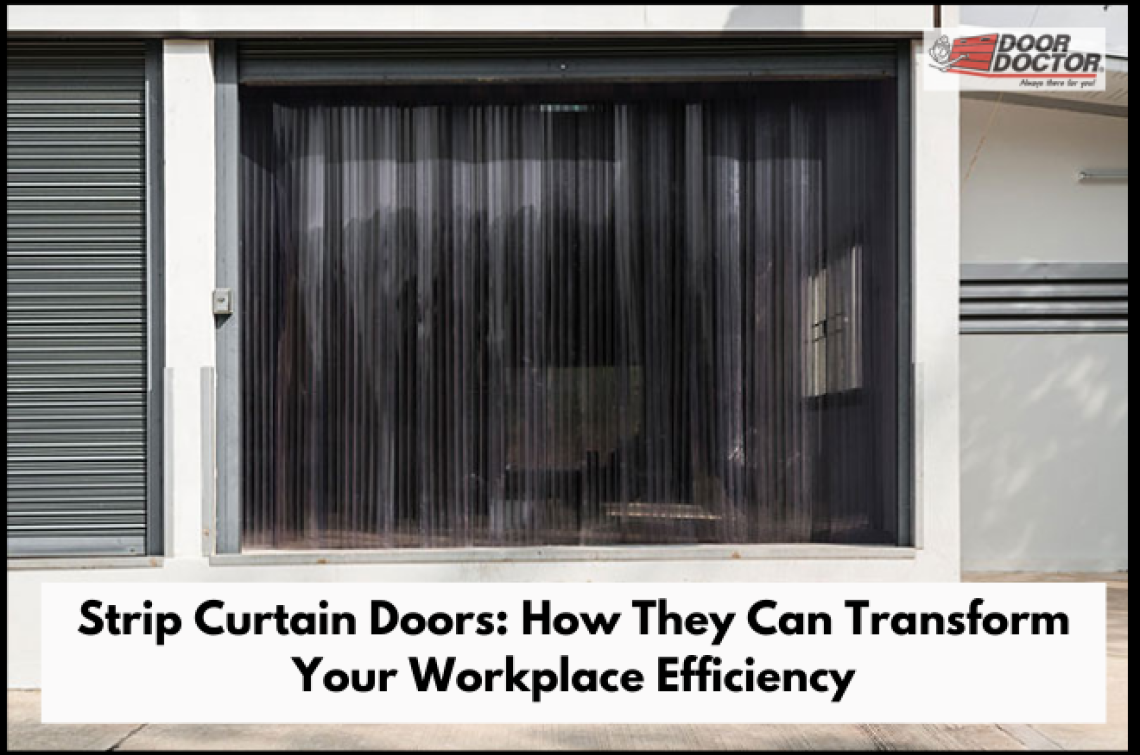
Strip curtain doors, also known as PVC strip doors, consist of overlapping strips of clear or tinted PVC material. These flexible strips allow for easy passage while maintaining environmental separation between different areas within a facility. Strip curtain doors are commonly used in industrial settings, such as warehouses, food processing plants, and cold storage facilities.

Advantages of Strip Curtain Doors

  • Energy Efficiency: Strip curtain doors help maintain temperature zones within a facility. Whether it's a cold storage room or a heated area, these doors minimize the loss of conditioned air, leading to significant energy savings.
  • Ease of Access: The flexible strips allow workers, vehicles, and equipment to pass through without needing to open or close a door manually. This improves workflow efficiency, especially in high-traffic areas.
  • Cost-Effective: Compared to traditional doors, strip curtain doors are relatively inexpensive to install and maintain. They also reduce wear and tear on HVAC systems by helping maintain stable temperatures.
  • Visibility and Safety: The clear or tinted strips offer visibility, which reduces the risk of accidents in busy environments. Workers can see through to the other side, making it safer to move around.

Disadvantages of Strip Curtain Doors

  • Limited Security: Strip curtain doors do not offer the same level of security as traditional doors. They are not suitable for areas requiring high security or privacy.
  • Durability: While effective in many applications, strip curtain doors may wear out faster in environments with heavy equipment traffic.

What Are Traditional Doors?

Traditional doors are solid, rigid doors made from materials like wood, metal, or composite. They come in various forms, including hinged, sliding, and rolling doors, and are used in virtually every type of commercial and industrial setting.

Advantages of Traditional Doors

  • Security: Traditional doors provide a higher level of security and privacy. They are ideal for areas where access control is crucial.
  • Durability: Made from robust materials, traditional doors are designed to withstand harsh environments and heavy usage.
  • Variety: Traditional doors come in various styles, sizes, and materials, offering flexibility in design and functionality.

Disadvantages of Traditional Doors

  • Higher Costs: Traditional doors can be more expensive to install and maintain, especially if they require automation or specialized hardware.
  • Restricted Access: Unlike strip curtain doors, traditional doors require manual operation or automation, which can slow down workflow in high-traffic areas.

Which Is Best for Your Business?

Choosing between strip curtain doors and traditional doors depends on your business’s specific needs. If your priority is maintaining temperature zones, reducing energy costs, and ensuring easy access in a high-traffic area, strip curtain doors are the way to go. On the other hand, if security, privacy, and durability are your primary concerns, traditional doors are the better option.

Conclusion

At Door Doctor, we understand that each business has unique requirements. Our team of experts can help you assess your needs and recommend the best door solutions for your facility. 


Whether you opt for strip curtain doors or traditional doors, we ensure quality installation and maintenance to keep your operations running smoothly.


Contact Door Doctor today and get expert advice on which door is best for your business. 

Common Problems with Garage Door Seals and How to Fix Them

Common Problems with Garage Door Seals and How to Fix Them

Garage door seals play a crucial role in maintaining the comfort and security of your home. They keep out drafts, water, pests, and debris while also helping to insulate your garage. However, these seals can become worn or damaged over time, leading to various problems. In this post, we’ll explore the most common problems with garage door seals and provide practical solutions to fix them.

Most Common Problems with Garage Door Seals (H2)

Worn-Out Seals

Garage door seals are made from rubber or vinyl, which degrade over time due to exposure to harsh weather conditions. Sun, rain, and fluctuating temperatures can cause the seals to crack, shrink, or become brittle.

Gaps in the Seal

Over time, you may notice that gaps develop between the seal and the garage door, especially at the corners. This can lead to drafts, water seepage, and pest infiltration.

Misaligned Door

A misaligned garage door can cause uneven wear on your seals and create gaps where the door doesn’t properly meet the floor or frame. This can occur due to regular use, faulty springs, or the door alignment issues.

Improper Seal Installation

Sometimes, seals may not be installed correctly, leading to poor performance. If the seal wasn’t attached securely or evenly, drafts and debris could enter the garage.

Seal Material Not Suitable for Climate

Choosing the wrong type of seal material for your climate can also cause problems. Some materials may not hold up well in extreme temperatures, leading to premature wear and tear.

How to Fix the Issues with Garage Door Seals?

Replace the Worn-Out Seals

If you notice your seals are worn out, the best solution is to replace them. You can purchase garage door seals at most hardware stores. Measure your existing seal's length and width to ensure you buy the correct size. Installation is typically straightforward—simply remove the old seal and slide the new one into place along the bottom or sides of the door.

Fix the Gaps in the Seal

Gaps in the seal can usually be fixed by adjusting the door itself. Ensure the garage door is properly aligned and that the tracks are level. You can also install additional weatherstripping or foam tape around the edges of the door to close any small gaps.

Fix the Misaligned Door

To correct a misaligned door, check the tracks and hinges to ensure everything is in place. Tighten any loose screws or bolts and ensure the door operates smoothly along the tracks. If the door continues to cause problems, it’s best to call a professional to inspect and adjust the door alignment.

Properly Install the Seal

Inspect the seal for any areas where it may be loose or unevenly applied. Reattach the seal by properly securing it with screws or adhesive where needed. In cases where the seal has stretched or shifted, a replacement may be necessary.

Select a Suitable Material According to the Climate

When selecting a replacement seal, consider the climate in your area. For example, if you live in a region with harsh winters, opt for a seal that is specifically designed to withstand cold temperatures.

Conclusion

Garage door seals are a simple yet vital component of your garage’s efficiency and security. Regular maintenance and timely replacement of worn or damaged seals can prevent bigger issues such as water damage, pest infestations, or energy loss. If you experience persistent problems or need professional assistance, Door Doctor is here to help with expert repair and replacement services tailored to your needs.

Keep your garage sealed tight and secure—contact Door Doctor today for all your garage door needs!

Strip Curtain Doors

Strip Curtain Doors: DIY Installation Tips for a Professional Finish

Strip Curtain Doors: DIY Vs. Professional Installation Tips

When it comes to improving accessibility and maintaining environmental control in various spaces, strip curtain doors are a popular choice. They offer a flexible and cost-effective solution for managing traffic flow, temperature, and contaminants. 


However, when it comes to installation, you might wonder whether to tackle it yourself or hire a professional. Let’s explore the pros and cons of DIY versus professional installation for strip curtain doors.

DIY Installation: Advantages and Challenges

DIY installation of strip curtain doors can be an appealingoption for many. The primary advantage is cost savings. By doing the workyourself, you avoid labor costs and can potentially save a significant amount on your overall project. Additionally, installing the doors yourself allows for flexibility in scheduling, as you can work at your own pace.


However, there are challenges associated with DIY installation. Proper installation requires precise measurements and alignment to ensure that the curtains hang correctly and function as intended. Incorrect installation can lead to issues such as excessive wear and tear, poor thermal control, or difficulty in operation. Without professional guidance, you may also miss out on key features or best practices that could enhance the door’s performance and longevity.

Professional Installation: Benefits and Considerations

Opting for professional installation of strip curtain doors offers several benefits. Experienced installers have the expertise to complete the job efficiently and accurately. They ensure that the doors are properly measured, aligned, and secured, minimizing the risk of issues later on. Professionals also have access to high-quality materials and tools, which can result in a more durable and effective installation.


Moreover, professional installation often comes with a warranty, providing peace of mind if any problems arise after the installation. This added security can be especially valuable if you’re installing the doors in a high-traffic area or a space where optimal performance is crucial.


On the downside, professional installation comes with a higher upfront cost compared to DIY. However, this investment can pay off in the form of reduced maintenance and longer-lasting performance.

Making the Right Choice

Deciding between DIY and professional installation of strip curtain doors depends on several factors, including your budget, skill level, and the importance of precision in your installation. If you’re confident in your abilities and want to save on costs, DIY might be a viable option. However, for those seeking a hassle-free experience and optimal performance, hiring a professional installer is often the best choice.

Conclusion

At Door Doctor, we offer expert installation services for strip curtain doors, ensuring that your installation is handled with the utmost care and precision. Whether you choose to go DIY or hire a professional, understanding the benefits and challenges of each approach will help you make an informed decision that best suits your needs.


Hire a professional for your strip curtain doors. Contact Door Doctor today. 

How to Sync Your Garage Door Opener with Your Smartphone

How to Sync Your Garage Door Opener with Your Smartphone

In today's digital age, technology has seeped into almost every aspect of our lives, including home automation. One of the most convenient and secure features is the ability to control your garage door using your smartphone. By syncing your garage door opener with your smartphone, you can remotely open and close your garage door, providing peace of mind and enhanced security.

Steps to Sync Your Garage Door Opener with Your Smartphone (H2)

Syncing your garage door opener with your smartphone offers convenience and increased security. Follow these streamlined steps to connect and control your garage door from anywhere:

Verify Compatibility

Start by confirming that your garage door opener supports smartphone integration. Most modern models offer this feature, but it’s important to checki your opener’s manual or the manufacturer's website for compatibility details.

Download the Appropriate App

Once you’ve confirmed compatibility, search for the corresponding app in your smartphone's app store. Install the app designed for your garage door opener model. This app is essential for linking your smartphone with your garage door opener.

Create an Account and Set Up

Open the app and follow the on-screen instructions to create an account. Typically, this process involves entering your email, creating a password, and registering your garage door opener. Ensure that you provide accurate details to link your opener effectively.

Connect Your Opener to Wi-Fi

To sync your garage door opener, it must be connected to your home’s Wi-Fi network. Press the “Learn” or “Connect” button on your garage door opener, then select your Wi-Fi network and enter the password. Consult your opener’s manual for specific instructions on how to connect to Wi-Fi.

Sync the Opener with Your Smartphone

Using the app, proceed with the synchronization process. This typically involves entering the garage door opener’s model number and following the app’s pairing instructions. You may need to press the “Learn” button on your opener and follow the prompts on your phone to complete the setup.

Test the Connection

After syncing, test the connection by using the app to open and close your garage door. Verify that the app responds correctly and that the garage door operates as expected. If you encounter any issues, check your Wi-Fi connection, restart the app, or consult the troubleshooting guide provided by the app or opener manufacturer.

Customize Settings and Secure Your Connection

Many apps allow you to set up notifications for door activity, schedule automatic operations, and manage remote access. Customize these features to suit your preferences. Make sure your app and garage door opener firmware are updated regularly for enhanced security. Use strong passwords and enable any available security features to safeguard your system.

Conclusion

By following these simple steps, you can seamlessly sync your garage door opener with your smartphone, giving you greater control and convenience. For any issues or further assistance, contact Door Doctor, your trusted garage door service provider. Enjoy the ease of modern technology and peace of mind that comes with secure, smartphone-controlled access to your garage!

Choosing the Best Garage Door Opener for Your Home

Choosing the Best Garage Door Opener for Your Home

When it comes to enhancing your home's security and convenience, selecting the best garage door opener is crucial. With various options available, it can be overwhelming to determine which one suits your needs. At Door Doctor, we understand the importance of choosing the right garage door opener and are here to guide you through the process.

Types of Garage Door Openers

Chain Drive Openers

Known for their durability and affordability, chain drive openers use a metal chain to lift and lower the garage door. While they are noisy, they are reliable and a great choice for detached garages or homes where noise isn't a major concern.

Belt Drive Openers

For quieter operation, belt drive openers use a rubber belt instead of a chain. This type is ideal for homes with living spaces above or adjacent to the garage. They offer smooth, quiet performance and require minimal maintenance.

Screw Drive Openers

Screw drive openers utilize a threaded steel rod to move the door. They are known for their minimal maintenance needs and efficient performance. However, they can be louder than belt drive openers and may require periodic lubrication.

Direct Drive Openers

Direct-drive openers are the newest technology in garage door openers. They have a motor that moves along a stationary chain, resulting in an extremely quiet operation. They are durable and require less maintenance than other types.

Key Features to Consider Before Selecting a Garage Door Opener

When choosing the best garage door opener for your home, it's important to evaluate various advanced features that can enhance convenience, security, and overall performance.


  • Smart Features: Select a garage door opener with Wi-Fi connectivity and a compatible mobile app for modern convenience. These smart features allow you to control the door remotely, set schedules, monitor activity, and even illuminate your garage space. Integration with smart home systems can add an extra layer of automation and convenience.
  • Cameras: Some openers come with built-in cameras that offer live streaming and video storage. Features like two-way audio can also facilitate real-time communication and enhance security by providing a clear view of your garage area.
  • Battery Backup: Ensure your opener includes a battery backup to maintain functionality during power outages. This feature ensures you can still enter or exit your garage in emergencies.
  • Horsepower: The opener's horsepower is critical for handling the weight of your garage door. Options typically range from 1/3 to 3/4 horsepower. For standard residential doors, 1/2 horsepower is often adequate, while heavier or wider doors may require 3/4 horsepower for optimal performance.
  • Safety Features: Look for openers equipped with safety sensors and auto-reverse capabilities. These features prevent accidents by detecting obstructions and stopping the door's operation if something is in the way.
  • Noise Level: Consider the noise level of the opener, particularly if your garage is near living spaces. Belt drive and direct drive models are generally quieter compared to chain drive and screw drive openers.
  • Installation: Professional installation is recommended to ensure proper setup and safety. An expert will ensure the opener is compatible with your door’s specifications and provide a secure installation.

Conclusion

Choosing the best garage door opener for your home involves considering various factors such as type, power, safety features, and noise level. By evaluating your specific needs and preferences, you can select an opener that enhances your home's functionality and security. At Door Doctor, we are committed to helping you make informed decisions about your garage door system. For more information or professional installation services, contact us today!

Garage Door Opener Safety Features You Should Know About

Garage Door Opener Safety Features You Should Know About

A garage door opener is a critical component of home security and convenience.To ensure it operates safely, it's essential to understand and utilize its safety features. Below are the key safety features of garage door openers that every homeowner should be aware of:

1. Auto-Reverse Feature

The auto-reverse function is a vital safety feature in modern garage door openers. It uses advanced sensors to detect when an object or person is in the path of the closing door. When an obstruction is detected, the mechanism automatically reverses the door’s direction to prevent any potential injuries or damage. Regularly testing this feature is crucial for safeguarding children and pets in your home.

2. Automatic Garage Door Lock

For added convenience and security, many garage door openers now include an automatic lock feature. This feature engages the lock automatically when the door is closed, eliminating the risk of forgetting to secure your garage. It provides peace of mind by ensuring your garage remains locked when not in use, enhancing the overall security of your home.

3. Battery Backup

Power outages can pose a significant problem if your garage door opener relies solely on your home’s electricity. A garage door opener with a battery backup ensures that you can still operate the door during power interruptions. This feature is particularly important for emergencies, allowing you to safely enter or exit your garage even when the power is out.

4. LED Light Fixtures

Proper lighting is essential for safety around your garage. Many garage door openers come equipped with LED light fixtures, providing bright, energy-efficient illumination. These lights activate automatically when the garage door opens, helping you see clearly as you enter or exit. Some models also feature motion-sensing lights that turn on when movement is detected near the door, further enhancing visibility and deterring potential intruders.

5. Smartphone Connectivity

With the advancement of technology, many garage door openers now offer smartphone connectivity. This allows you to control your garage door from anywhere using your phone. You can open or close the door remotely, check its status, and receive alerts if it opens or closes. Integration with home automation systems may also enable voice commands and synchronization with other smart devices, creating a comprehensive home security setup.

6. Manual Release Mechanism

A manual release mechanism is essential for situations where power outages or emergencies occur. This feature allows you to disengage the garage door opener from the door, enabling you to operate it manually. This is especially useful if the opener is not functioning, ensuring you can still access your garage when needed.

7. Auto-Close Functionality

To prevent leaving your garage door open unintentionally, many modern openers include auto-close functionality. This feature uses sensors to detect how long the door has been left open. If the door remains open for an extended period, the opener will automatically close it. Most models let you set the time interval before auto-closing activates, providing flexibility while ensuring your garage is secured.

Conclusion

At Door Doctor, we understand the importance of garage door safety. Our team of experienced professionals can help you select the right garage door opener for your home and ensure that it's installed and maintained correctly. We offer a wide range of services, including garage door repair, replacement, and installation.

Contact us today to schedule a consultation or to learn more about our services.

English