
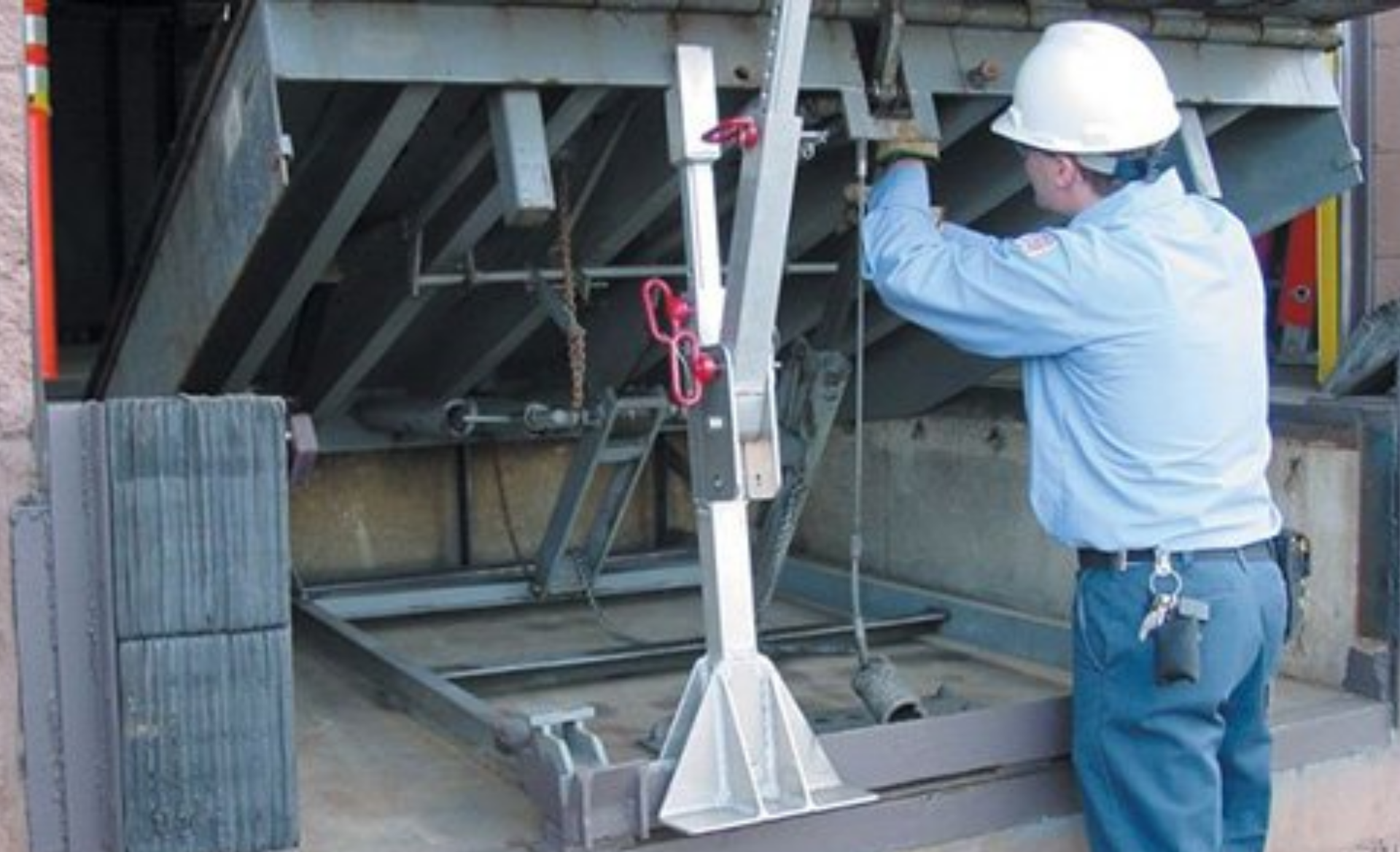
Hydraulic vs. Mechanical vs. Air-Powered Dock Levelers: How to Choose the Right One for Your Loading Dock
Hydraulic dock levelers are the right call for high-volume docks with heavy loads, since they run with one button press and need the least hands-on work. Mechanical levelers cost the least and suit lighter, slower docks where someone does not mind pulling a chain. Air-powered levelers sit in the middle and shine in clean operations like food or pharma, where there is no hydraulic fluid to worry about.
What a Dock Leveler Actually Does
Before comparing types, it helps to know the job all three do. A dock leveler bridges the gap and the height difference between your dock floor and a trailer bed so forklifts and pallet jacks can roll across safely. Get the wrong one and you end up with slow loading, more breakdowns, and a real injury risk. The leveler is one piece of a larger setup, so it is worth looking at the full range of loading dock equipment before you settle on a single part.
Mechanical Dock Levelers
Mechanical levelers are the original design and still the cheapest to buy. An operator pulls a release chain, the deck rises on springs, and walking the lip out onto the trailer lowers it into place. They work fine for docks that see light to medium traffic and do not cycle all day. The trade-off is upkeep. The springs, chains, and hold-downs wear out and need regular adjustment, and the manual operation puts more strain on whoever runs the dock.
Hydraulic Dock Levelers
Hydraulic levelers raise the deck and extend the lip with cylinders, all from a push button. There is no chain to pull and no body weight needed, which cuts down on back injuries and speeds up turnaround. They handle the heaviest loads and the busiest schedules without complaint, and they tend to need the least day-to-day attention of the three. You pay more upfront, and you do have to keep an eye on the hydraulic fluid and seals over time, but for a dock running shift after shift the math usually works out.
Air-Powered Dock Levelers
Air-powered units lift the deck with an inflatable bag driven by a blower, while the lip extends mechanically. They also run from a button, so they spare your crew the manual effort of a chain model. The big draw is that there is no hydraulic fluid, which removes any contamination risk in food, beverage, and pharmaceutical settings. They sit between mechanical and hydraulic on price and on load capacity, and the airbag and blower do need periodic inspection to stay reliable.
The Trade-Offs at a Glance
- Upfront cost: Mechanical is cheapest, air-powered is mid-range, hydraulic costs the most.
- Best traffic level: Mechanical for light to medium, air-powered for moderate, hydraulic for heavy and constant.
- Operation: Mechanical is manual, hydraulic and air-powered are push-button.
- Maintenance: Hydraulic needs the least routine effort, mechanical needs the most.
- Clean operations: Air-powered avoids fluid contamination, which suits food and pharma.
- Heavy loads: Hydraulic handles the highest capacity with the most consistent results.
How to Choose for Your Dock
Start with capacity. Add up your heaviest forklift, its driver, and the heaviest load it carries, then step up a class if you land near the limit. Next, count how often the dock cycles in a day and ask whether contamination is a concern in your product. A tight budget on a slow dock points to mechanical. A washdown or food facility points to air-powered. A busy distribution dock almost always points to hydraulic. While you are planning, do not overlook sealing the opening, since the right dock seals and shelters work alongside the leveler to keep energy costs and weather out.
FAQ
Which dock leveler is best for heavy loads? Hydraulic, in most cases. The cylinders deliver the highest capacity and the most consistent performance under constant heavy use.
What is the difference between hydraulic and air-powered dock levelers? Hydraulic units lift and extend with fluid-driven cylinders and are fully automatic. Air-powered units lift on an airbag while the lip extends mechanically, and they use no hydraulic fluid.
Are mechanical dock levelers worth it? For light to medium traffic on a tight budget, yes. They cost the least to buy but need more regular maintenance and manual effort.
How do I know what capacity dock leveler I need? Add the weight of your loaded forklift plus driver, then choose a rating above that figure. When you are close to a limit, move up to the next class.
Can you upgrade a mechanical dock leveler to hydraulic? Often yes, but you need to confirm the pit dimensions and whether the structure needs reinforcement before converting.