
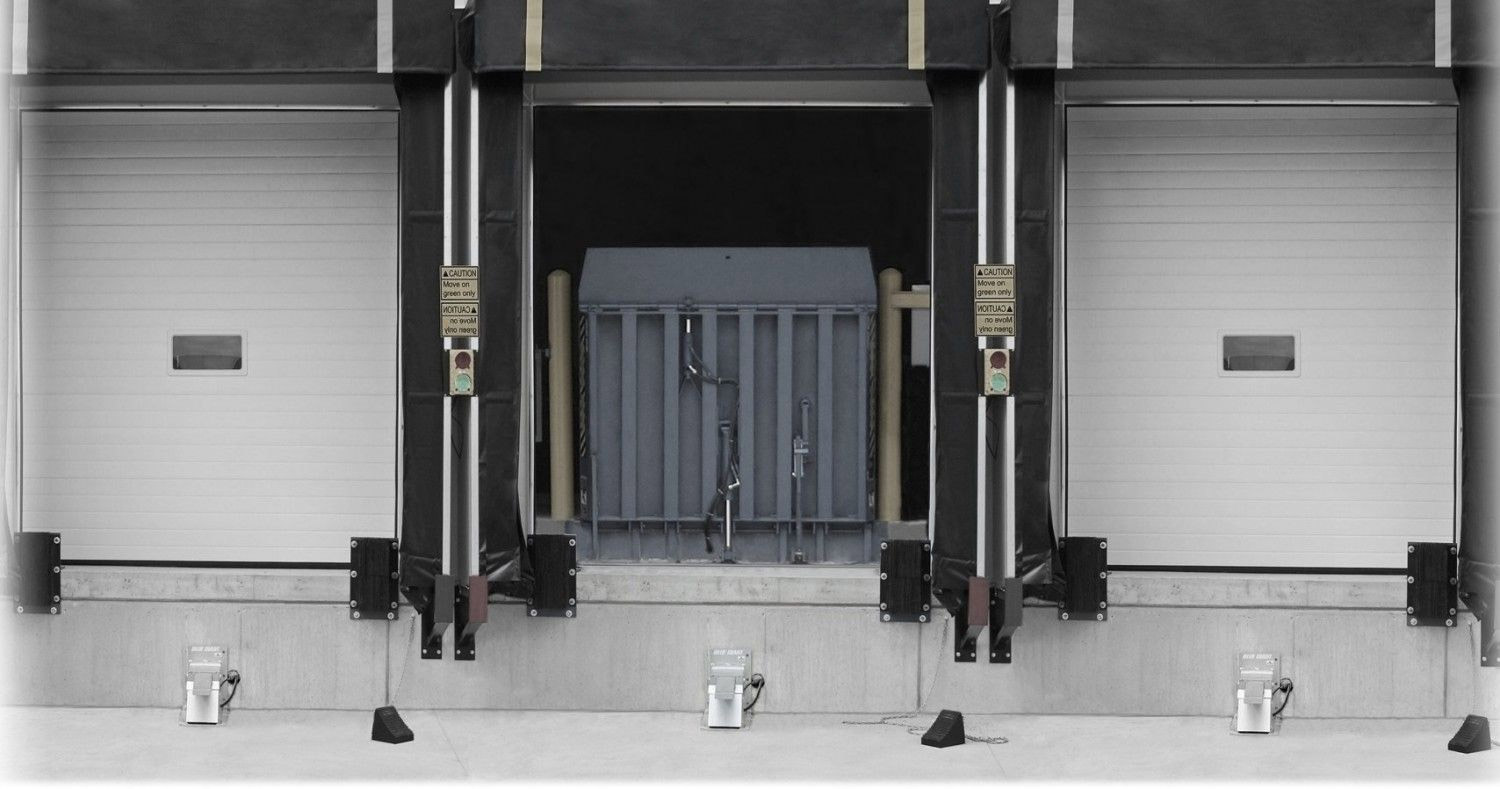
Dock Seals vs. Dock Shelters: Which One Actually Cuts Your Energy Bills?
Dock seals usually cut energy bills the most when your trailers are a consistent size, because the foam pads compress tight against the trailer and block almost all air gaps. Dock shelters save more when trailer sizes vary or you load oversized freight, since they fit a wider range of vehicles without crushing the seal. The bigger savings come down to one thing: how snug the fit is against the trailers that actually back into your dock.
Why the Gap Around the Trailer Costs You Money
Every loading dock leaks conditioned air through the space around a parked trailer. In a Quebec winter that means heat pouring out and cold pouring in, and your furnace runs harder to keep up. A good seal or shelter closes that gap and keeps the inside temperature stable, which lowers heating and cooling costs and makes the dock safer to work in. It is one of the most overlooked pieces of loading dock equipment, even though it pays for itself faster than almost anything else at the dock.
How Dock Seals Work
A dock seal uses foam pads wrapped in tough fabric, mounted on the head and both sides of the opening. When a trailer backs in, it presses into the pads and compresses them, which forms a tight barrier against air and weather. Seals deliver the best contact when your trailers are close to the same height and width, so they shine at docks that handle a steady fleet. The downside is that the trailer rubs against the foam every time, so the pads wear and need replacing over the years, and a very tall or very short trailer will not seal as cleanly.
How Dock Shelters Work
A dock shelter uses flexible curtains or a rigid frame with fabric flaps that drape over the top and sides of the trailer rather than getting crushed by it. Because the trailer does not compress anything, a shelter handles many trailer sizes and leaves more of the door opening clear for forklifts and wide loads. That flexibility is its strength. The trade-off is that the seal around the trailer is looser than a foam pad, so a shelter often lets a little more air slip through than a tight seal would.
The Trade-Offs at a Glance
- Best energy savings: Dock seals for matched trailer sizes, shelters for mixed fleets.
- Trailer fit: Seals work best with consistent sizes, shelters handle wide variation.
- Opening clearance: Shelters keep more of the doorway open, seals block part of it.
- Wear over time: Seal foam wears from trailer contact, shelter fabric lasts longer in that respect.
- Oversized freight: Shelters suit wide or tall loads better than seals.
- Tightness of fit: Seals close gaps tighter when sizes match, shelters trade some tightness for flexibility.
How to Choose for Your Dock
Look at the trailers that actually back into your dock. If they are close to the same size day after day, a seal gives you the tightest fit and the lowest air loss. If sizes are all over the place or you move oversized freight, a shelter keeps the savings without fighting the fit. Many busy docks run a mix across different doors. To compare the styles built for your opening and climate, look at the range of dock seals and shelters and match the product to your trailer profile rather than guessing.
FAQ
What is the difference between a dock seal and a dock shelter? A dock seal uses foam pads that the trailer compresses for a tight fit. A dock shelter uses curtains or flaps that drape over the trailer, so it fits more sizes but seals a bit looser.
Which saves more energy, dock seals or dock shelters? Seals usually save more when trailers are a consistent size. Shelters save more when trailer sizes vary, because they fit a wider range without losing contact.
Are dock seals worth it? For a dock with matched trailer sizes, yes. The tight foam contact blocks air loss and the unit pays back through lower heating and cooling bills.
How long do dock seals last? It depends on traffic, but the foam pads wear from trailer contact over the years and eventually need replacing, while a shelter's fabric tends to hold up longer.
Do dock shelters work for different trailer sizes? Yes. Shelters are built to handle varied trailer heights and widths, which is their main advantage over compression seals.