
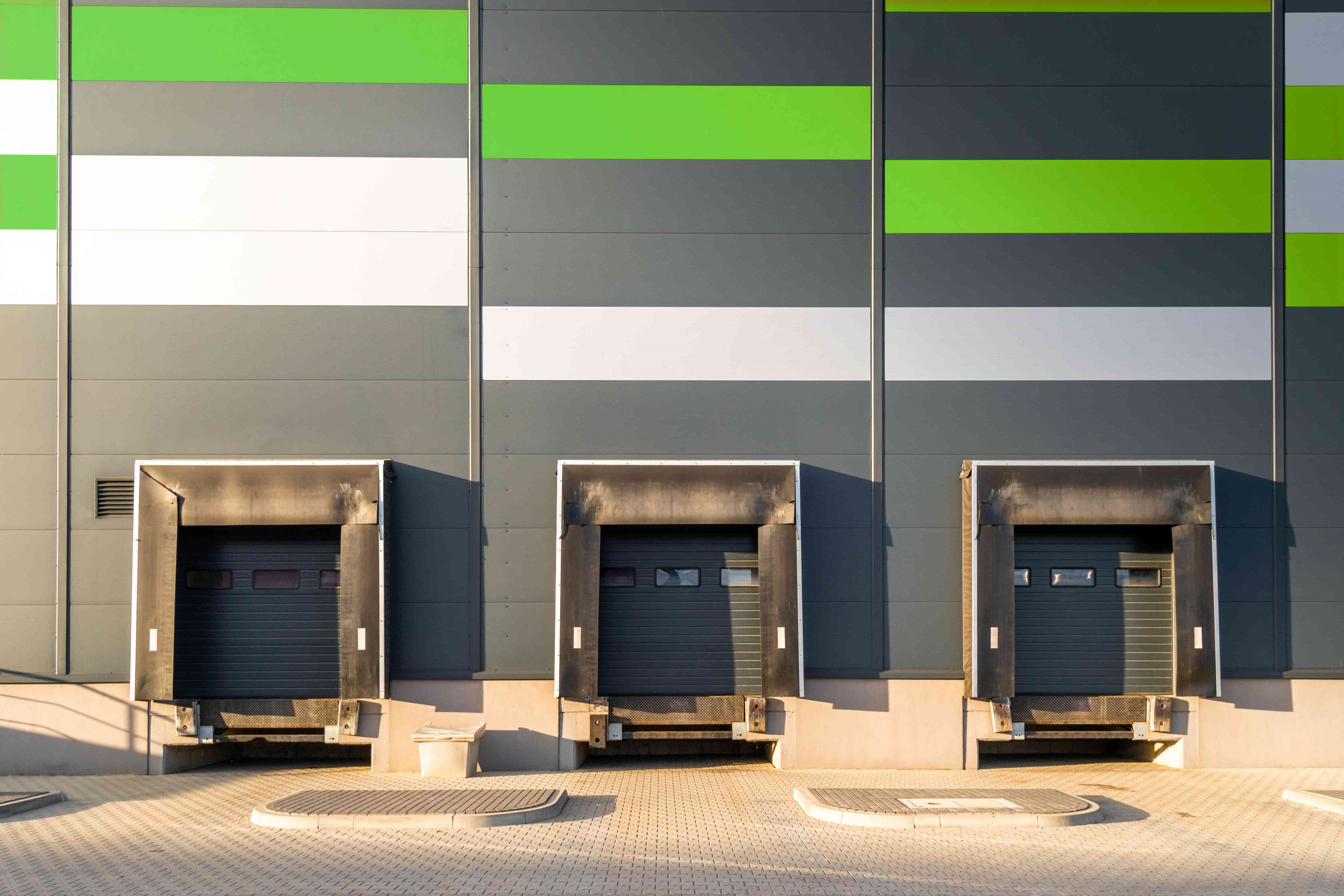
How Fast Should a Dock Door Close Without Slowing Our Operation?
You want your loading dock running like a machine, but there's always that nagging question: how fast should these doors actually close? Too slow and you're bleeding money on energy costs while your operation crawls. Too fast and you're asking for equipment damage or worse—someone getting hurt.
Finding the Sweet Spot
Most high-speed dock doors close somewhere between 24 to 40 inches per second. That's the range where you get decent throughput without turning your door into a safety hazard. But here's what matters more than hitting some magic number: your door speed needs to match how your dock actually operates.
If you're running a high-volume distribution center with forklifts zipping in and out every few minutes, you need doors on the faster end. A food processing facility with strict temperature control? Same deal. But a slower-paced warehouse where doors stay open during extended loading times? You probably don't need to push maximum speed.
Why Door Speed Actually Matters
Every second your dock door stays open, you're losing conditioned air. In summer, hot air pours in and your AC works overtime. Winter's even worse—all that expensive heated air just disappears into the parking lot. A door that takes 30 seconds to close versus 10 seconds means triple the energy waste per cycle.
Multiply that across dozens of daily cycles, and you're looking at real money. We've seen facilities cut their heating and cooling costs by 20% or more just by upgrading to faster doors with better dock seals and shelters that work together as a system.
Then there's productivity. When dock doors become a bottleneck, everything backs up. Drivers wait longer, forklifts idle, and your whole operation gets sluggish. Faster door cycles mean more trucks through your dock in a shift.
What Slows Doors Down
Your door might have been fast when it was new, but things change. Worn springs, failing motors, or damaged tracks all add seconds to your cycle time. Sometimes a door that used to close in 12 seconds is now taking 25, and nobody noticed because it happened gradually.
Safety sensors can also create delays if they're too sensitive or poorly positioned. Yeah, you need them—nobody wants a door coming down on equipment or people. But if your sensors are triggering false stops constantly, that's a problem worth fixing.
Basic maintenance issues slow things down too. Dirt buildup on tracks, dried-out rollers, misaligned components—all of it adds friction and drag that your door operator has to work harder to overcome.
When Faster Isn't Better
Don't just crank your door speed to maximum and call it done. Doors closing too fast create their own problems. They're harder on the equipment, which means more frequent repairs and shorter component life. Those springs and cables? They'll fatigue faster under constant high-speed stress.
There's also the safety factor. Forklift operators need enough time to clear the opening without feeling rushed. A door that closes aggressively can make people nervous, and nervous operators make mistakes.
Getting Your Speed Right
Start by timing your current door cycles. How long from fully open to fully closed? Compare that to what you actually need based on your traffic patterns and climate control requirements.
If your doors are running slower than they should, don't assume you need replacements. Often it's a maintenance or adjustment issue that commercial door repair services can fix for a fraction of the cost.
The Real Answer
The right dock door speed isn't about hitting some industry benchmark. It's about matching your operation's pace while keeping energy costs down and people safe. Most facilities find their sweet spot somewhere between 30-36 inches per second, but your mileage will vary.
Pay attention to your actual cycle times and energy bills. If doors are creating bottlenecks or your heating costs are ridiculous, it's time to look at what's really happening at your dock.